
In the pursuit of high-yield, high-quality, and sustainable agriculture, amino acid fertilizers have emerged as a game-changer for farmers worldwide. Unlike traditional chemical fertilizers that only provide basic nutrients, amino acid fertilizers directly supply crops with essential bioactive substances, effectively solving the problems of low nutrient utilization, poor stress resistance, and declining crop quality. But what makes amino acid fertilizers so effective? How do they help crops resist stress and increase yield? This guide will explain the scientific principles and practical values of amino acid fertilizers in detail, helping you make better use of this powerful agricultural input.
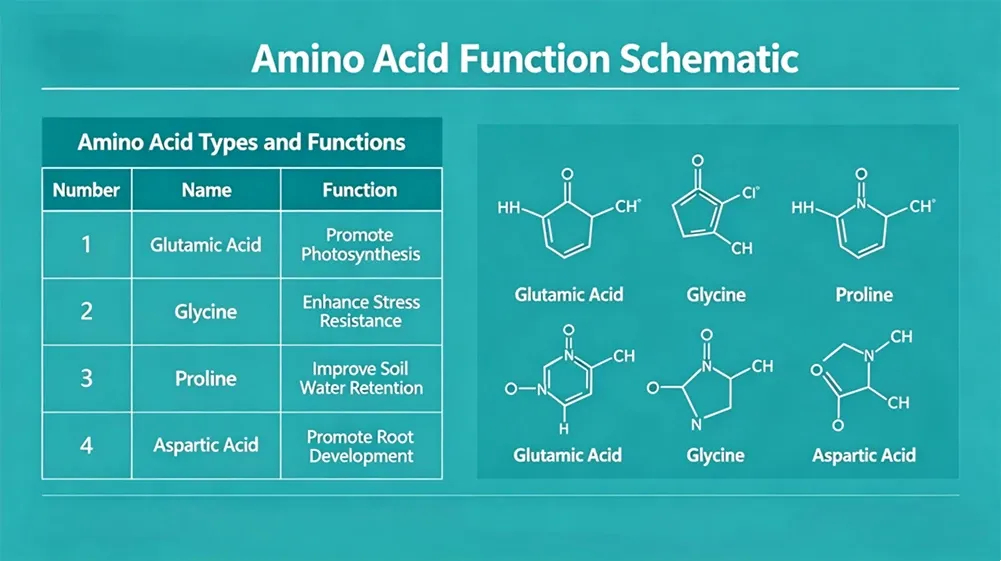
Amino acid fertilizers are organic bio-stimulants made from high-quality raw materials (such as plant proteins, animal proteins) through enzymatic hydrolysis, fermentation, or extraction. They contain 18 kinds of essential amino acids (including lysine, methionine, tryptophan, etc.) that crops need, as well as small peptides, trace elements, and bioactive substances. Compared with traditional fertilizers, amino acid fertilizers have three core advantages:
High Absorption Efficiency: Amino acids are the basic units of protein synthesis in crops. They can be directly absorbed and utilized by crop roots and leaves without being decomposed by soil microorganisms, which greatly improves nutrient utilization rate (up to 80%-90%, far higher than the 30%-40% of chemical fertilizers).
Natural & Environmentally Friendly: Made from natural raw materials, amino acid fertilizers do not contain harmful substances, will not pollute soil, water, or crops, and are compatible with organic agriculture and green planting requirements, meeting the global demand for safe agricultural products.
Multi-Functional Regulation: In addition to supplementing nutrients, amino acids can also regulate crop growth, enhance stress resistance, improve fruit quality, and repair soil, achieving "one fertilizer with multiple effects."

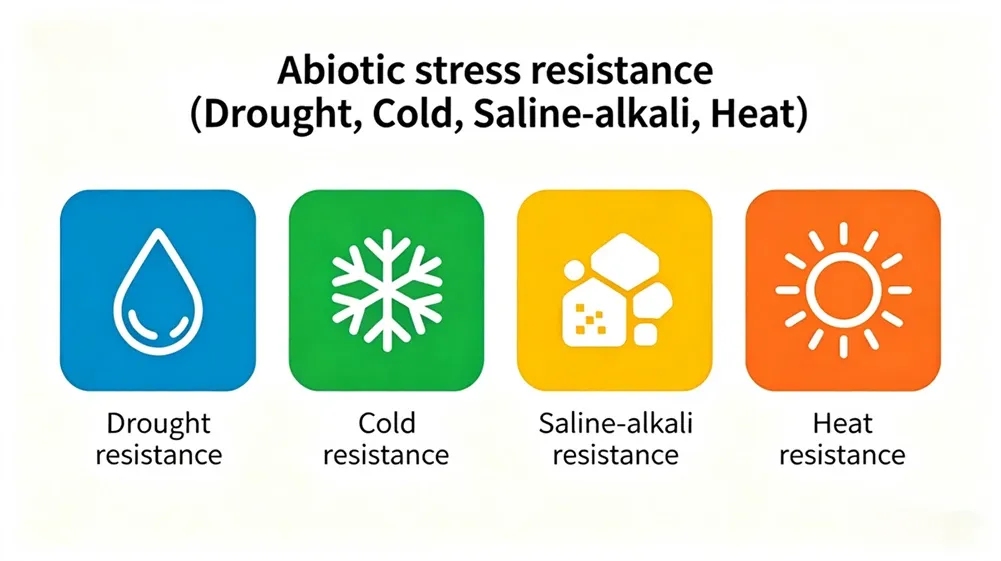
Crops often face various stresses in the growth process, such as drought, cold, heat, salinity, pests, and diseases, which seriously affect growth and yield. Amino acid fertilizers enhance crop stress resistance by regulating physiological metabolism, strengthening cell structure, and activating defense systems, helping crops survive adverse environments.
Drought Resistance: Amino acids can promote the synthesis of proline, soluble sugars, and other osmoregulatory substances in crops. These substances can maintain the osmotic pressure of plant cells, reduce water loss, and improve the water-holding capacity of crops. At the same time, amino acids stimulate the growth of crop roots, enhance the root system's ability to absorb water from deep soil, enabling crops to maintain normal physiological functions under drought conditions. Field tests show that crops treated with amino acid fertilizer can reduce water loss by 25%-35% and increase drought resistance by 30% compared with untreated crops.
Cold Resistance: Amino acids can increase the content of unsaturated fatty acids in crop cell membranes, improve the fluidity and stability of cell membranes, and reduce cell damage caused by low temperatures. They also promote the synthesis of cold-resistant proteins, enhance the activity of antioxidant enzymes (such as superoxide dismutase), and help crops resist frost damage. For example, vegetables and wheat treated with amino acid fertilizer can withstand low temperatures of -3℃ to 0℃, reducing the rate of freezing damage by 40%-50%.
Salinity & Heat Resistance: Amino acids can chelate excess salt ions in saline-alkali soil, reduce the toxicity of salt ions to crop roots, and promote root growth. Under high-temperature conditions, amino acids can inhibit the denaturation of crop proteins, reduce the damage of high temperature to photosynthetic organs, and maintain the normal photosynthesis of crops.
Amino acids are the raw materials for crops to synthesize defense substances (such as phytoalexins, chitinase, and lignin). By supplementing amino acids, crops can quickly synthesize these defense substances, enhance the physical barrier of cell walls, and inhibit the invasion and reproduction of pathogens and pests. At the same time, amino acids can promote the growth of beneficial microorganisms in the soil, form a dominant flora, and inhibit the growth of harmful pathogens, creating a healthy soil environment for crop growth.
The yield and quality of crops depend on the efficiency of nutrient absorption, photosynthesis, and reproductive growth. Amino acid fertilizers promote crop yield and quality improvement through comprehensive regulation of these links.
Amino acids (especially tryptophan and indoleacetic acid) can stimulate the growth of crop root hairs and lateral roots, increase the root system's contact area with the soil, and enhance the root system's ability to absorb water and nutrients (nitrogen, phosphorus, potassium, trace elements). A well-developed root system is the foundation of high yield. Crops treated with amino acid fertilizer have a root system that is 40%-60% more developed than that of untreated crops, which can significantly improve fertilizer utilization efficiency and avoid nutrient waste.
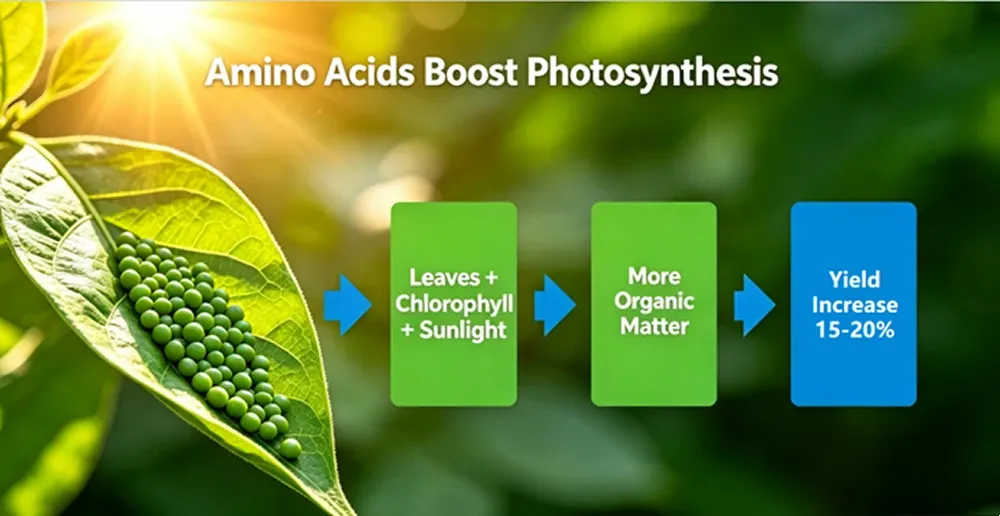
Amino acids can increase the content of chlorophyll in crop leaves, enhance the activity of photosynthetic enzymes (such as ribulose bisphosphate carboxylase), and extend the photosynthetic period. Photosynthesis is the core process of crop organic matter accumulation. The improvement of photosynthesis efficiency means that crops can produce more sugars, starches, and other nutrients, which are transported to fruits and grains, thereby increasing yield. For most crops (such as rice, tomatoes, and corn), amino acid fertilizer can increase the photosynthesis rate by 20%-30% and the yield by 15%-20%.
Amino acids (such as lysine and methionine) can promote flower bud differentiation, improve the fruit setting rate, and reduce flower and fruit drop. For fruit and vegetable crops, amino acids can increase the size, uniformity, and color of fruits, and improve the content of sugar, vitamin C, and other nutrients, reducing the occurrence of malformed fruits. For grain crops, amino acids can increase the thousand-grain weight and improve the quality of grains.
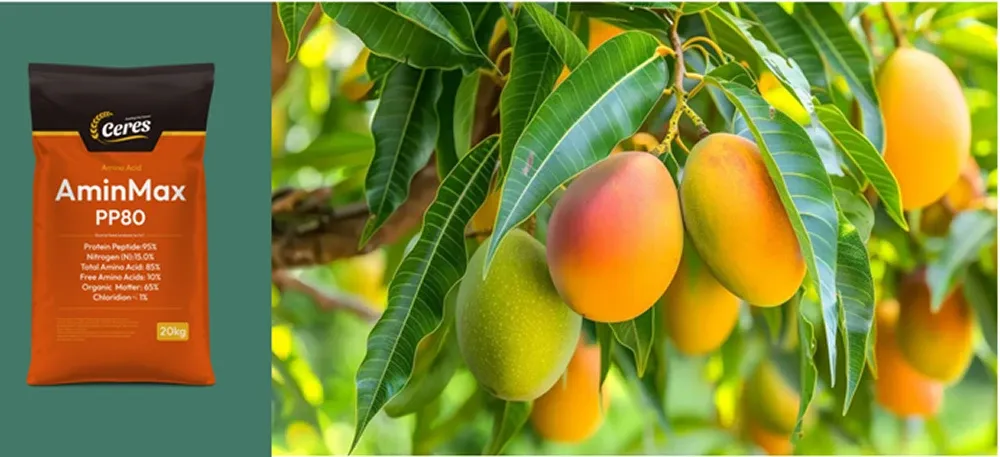
To maximize the effect of amino acid fertilizers, pay attention to the following points in application:
Application Time: Apply during the key growth periods of crops, such as seedling stage, root growth stage, flowering stage, fruit expansion stage, and stress period (before/after drought, cold, etc.). Applying 7-10 days before stress can effectively enhance crop stress resistance.
Application Method: Suitable for foliar spraying, root irrigation, seed soaking, and drip irrigation. Foliar spraying is fast-acting (absorbed within 2-4 hours) and suitable for supplementing nutrients and enhancing stress resistance; root irrigation and drip irrigation are conducive to promoting root development and improving soil environment; seed soaking can improve seed germination rate and seedling vitality.
Compatibility: Can be mixed with most chemical fertilizers, pesticides, and bio-stimulants (such as seaweed fertilizer), which can improve the effect of other inputs and reduce the use of chemical fertilizers and pesticides. Avoid mixing with strong acid and strong alkali products.
Dosage: Follow the recommended dosage. Excessive application will not increase the effect, but may cause nutrient waste. For foliar spraying, the concentration is generally 0.2%-0.5%.
With our premium fertilizers and professional technical support, you can experience a tangible difference. Together, we will cultivate a greener, more prosperous future for global agriculture.

Premium seaweed extracts and biostimulants for sustainable agriculture. Revive the natural vitality of farmland and restore your soil to its original softness and health.